113. John Hawks: Your behaviors have to match your goals.
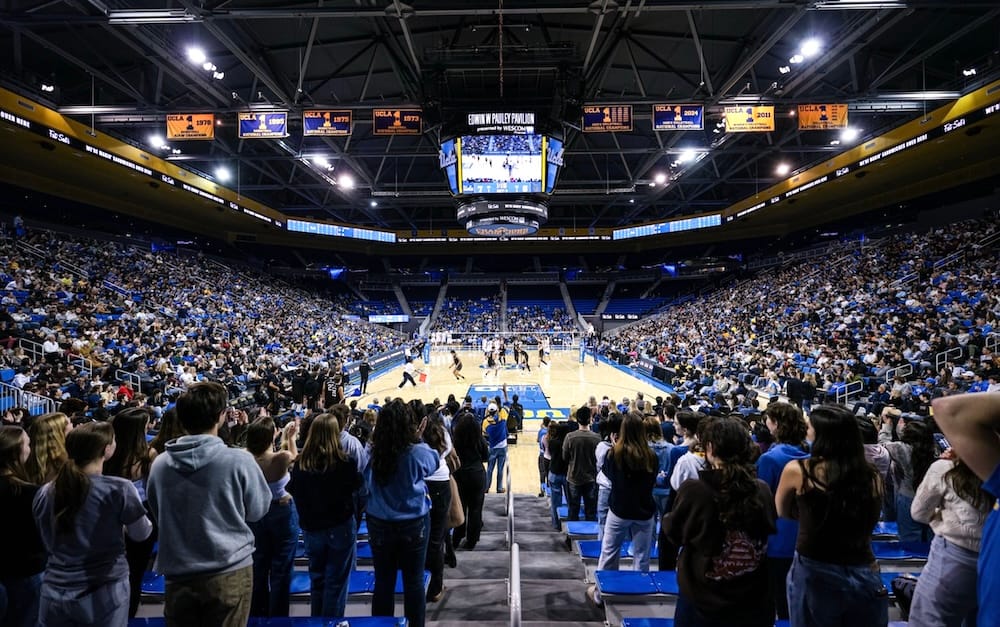
John Hawks is the head coach of UCLA men's volleyball, the most decorated program in the history of American collegiate volleyball. Home to 21 NCAA Championships.
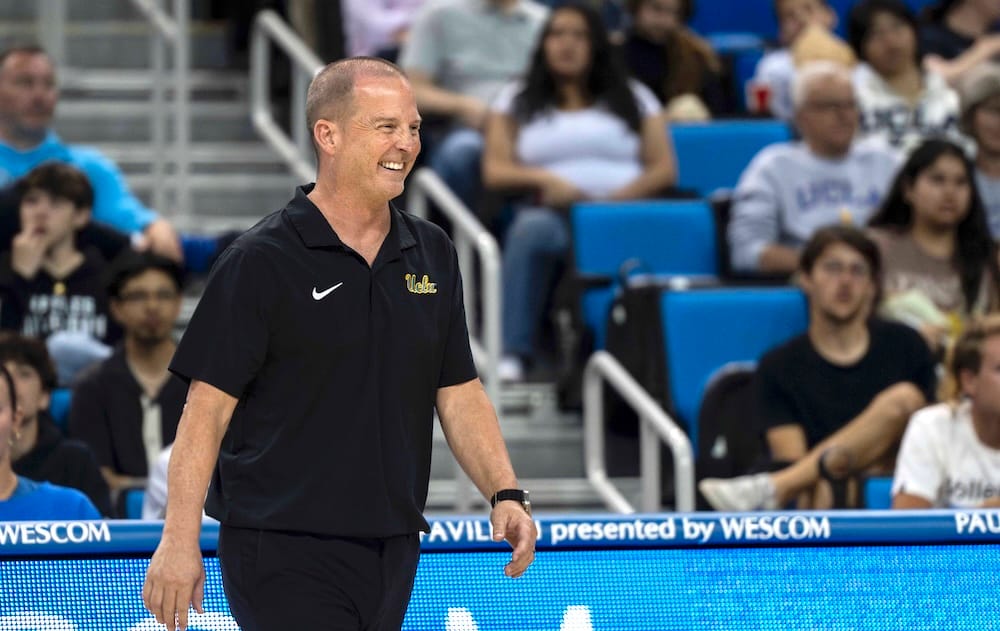
Named head coach in October 2024, John became only the third coach to hold that title, stepping into shoes shaped by two giants: Al Scates, who built the dynasty across 50 years and 19 NCAA titles before retiring in 2012, and John Speraw, who added two more back-to-back in 2023 and 2024.
 VolleyBrains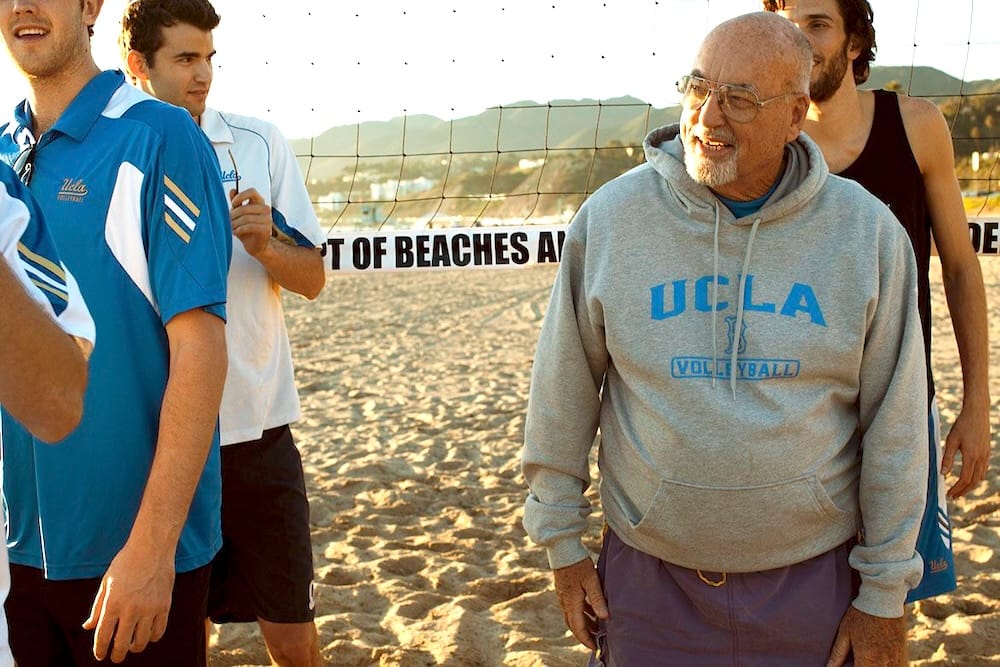
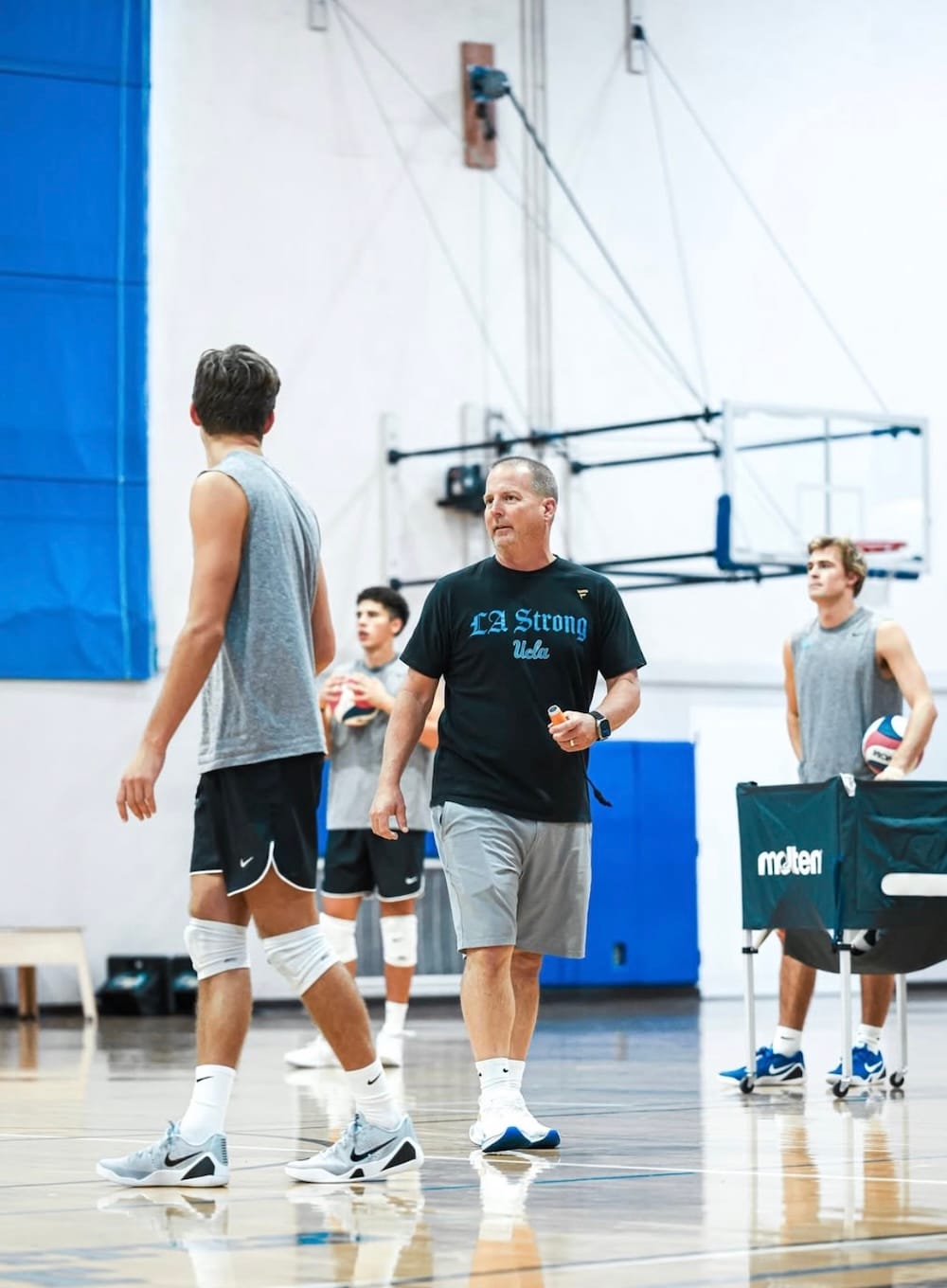
Coach Hawks knows this program from the inside, he served as assistant for UCLA from 2015 to 2022, winning the 2022 AVCA National Assistant Coach of the Year award. Before that, he coached at UC Irvine, USC, and Long Beach State. After his UCLA assistant period John took the head coaching job at Loyola Chicago where he posted a 40-17 record and won MIVA Coach of the Year in 2023.
As head coach of the USA U21 Men's National Team, coach Hawks guided them to a historic Bronze medal at the 2025 World Championship in China, the first U.S. U21 team, men or women, to ever medal at the World Championship.
Key takeaways from this article include:
- The one piece of advice he'd give every young coach chasing the dream
- Which technical beliefs he holds firmly, and why he's skeptical of how middles and opposites are typically trained
- How he structures an entire match week, from hitter tape to a game-day quiz
- Where he lets his captains handle team culture, and what he reserves for himself
- What he does in the first 24 hours after a loss before he ever talks to his team
- What building genuine resilience in players actually looks like in practice
- Why "just be you" might be the most important message any athlete can hear today
We have 15 clips and a total of 50+ minutes of edited conversation with coach Hawks in this article. Enjoy!
Enter John…
Why did you decide to commit to being a professional volleyball coach? What pushed you towards that decision?
Yeah, it's funny, I haven't really thought about that career transition in a while.
I was coaching at UC Irvine with John Speraw from 2003 to 2006, and during that time I was also working a full-time job at a company called Cardiac Science. They were the first company to publicly sell an automatic defibrillator, the kind you see mounted on gym walls and in hotels. I was on the product assurance engineering team.
My day started at 5:00 AM and I'd work until 1:30 in the afternoon. Then I'd race over to UC Irvine for practice from 2:30 to 5:00, and that's not counting video sessions or player meetings. After that, I'd drive straight from Irvine and coach club volleyball at Balboa Bay from about 7:00 to 10:00 PM.
So from 4:00 in the morning until 10:00 at night, I was either working or coaching volleyball. As you can imagine, that didn't leave much room for a marriage, and I ended up getting divorced around 2006. No kids, so at least that made things a little simpler.
It was in that last year at Irvine that I really knew, this is what I want to do. I'd been talking to Speraw about it for a while, and they brought me on both the women's and men's staff, partly just to help make up the salary difference, because I was taking a massive pay cut.
But being recently single, I could actually make that work. I moved in with my brother in his studio in Laguna Beach and just figured it out.
From there, I pretty quickly landed the job at USC on the men's side. That move to SC was really about getting to focus on one program plus a club team. I survived by being as resourceful as I could: private lessons, coaching a couple of teams, running camps, doing stuff with USA Volleyball. You just hustle, right?
But honestly, the core of it for me was simple: I didn't want to be around engineers anymore. I didn't want to sit in a cubicle. That's just not who I am.
I need to be on my feet, active, moving, impacting kids' lives. It was a bold move, no question, but I was genuinely excited to take it.
I was coaching at the highest level of volleyball in the country, working with great kids I already knew from the club days, and I just immersed myself in it as deeply as I could.
What advice would you give yourself as a starting coach? An advice that is so clear and logic for you now, but that you had to develop over the years.
It's interesting to reflect on that. What I tell my staff now is that there has to be a balance in life.
And I think I just went in so deep and so hard that, yeah, I've probably achieved things that a lot of people would want in their careers. And I probably wouldn't be here without that mindset. But I do feel like I've learned from it.
When I go home now, I have two young girls and a wife, and I try to be as present as I possibly can.
I'm not spending the whole evening on recruit calls or watching endless video. I watch enough video, I've got a good staff, they handle things. So if I could go back, I'd tell myself to find a little more balance.
There were a lot of stressful days. A lot of grinding and just hoping the next door would open. And I do believe that if you're a good person, if you coach with your heart and do things the right way, those doors will open. But yeah, balance.
I know that's probably not the most exciting answer, but honestly, I think it's one of the most important things.
For all of us.
What are bad recommendations you still hear about coaching or training volleyball?
Gosh, there's a lot that's changed and evolved over the last 25, 30 years I've been coaching. But the one thing I've tried to do throughout is adapt.
Now, some of this depends on the level you're working with. Take the passing debate: midline versus passing outside your body.
My daughter is playing 12-and-under volleyball right now, just starting her journey, and I'm teaching her to pass midline. I know some people are probably cringing hearing that, but I want her to have a proper foundation first — moving her feet, getting her shoulders over the ball, all those fundamentals. Then as she develops, you add layers.
And at the higher levels, passing outside your body is absolutely a must. How you use the inside shoulder, how you track the ball, keeping your head steady, all of that becomes critical. But you have to build to it.
On the setting side, one thing I really don't believe in is setters taking the ball from a fully extended position, arms straight up, setting purely off the wrists. I think setters should be taking the ball just above the forehead, elbows up, and using more of their triceps. That's something I feel pretty strongly about.
And then with middle blockers, they need to serve. They need to learn the jump serve, they need to be able to hand-set, they need to pass. If you're not training your middles to do those things, I think you're missing out on real development opportunities.
Same goes for opposites, we need to train them to pass. With how hard people are serving these days, and with rows like 1-3-4 where you can get your opposite involved in serve receive, building those service reception patterns around your opposite is genuinely valuable. I think it can be a real key to success.
Do you have a particular goal? Maybe a goal that you already reached or a goal that is so hard to reach that it gives you daily motivation?
In terms of personal goals, the one thing I haven't experienced yet is the Olympic Games. So would I love to be involved with the Olympic team in some capacity? A hundred percent. That would really complete my volleyball journey.
Beyond that, the goal every year is the same, win a national championship. Especially here at UCLA. The path to get there might look a little different each year, but the destination doesn't change.
What I really believe in is coaching with your heart. My guys know I care about them deeply. This isn't a transactional relationship where it's all about how many points you produce or what your passing rating is. That stuff matters, sure, but I don't think you can truly be successful without coaching from a place of genuine care, and building real trust with your staff and your team.
Every year is a little different, every kid responds a little differently. But if there's no trust there, my words won't land the same way.
When I'm hard on someone, they need to know it's coming from a good place. And because we've built that relationship, they do.
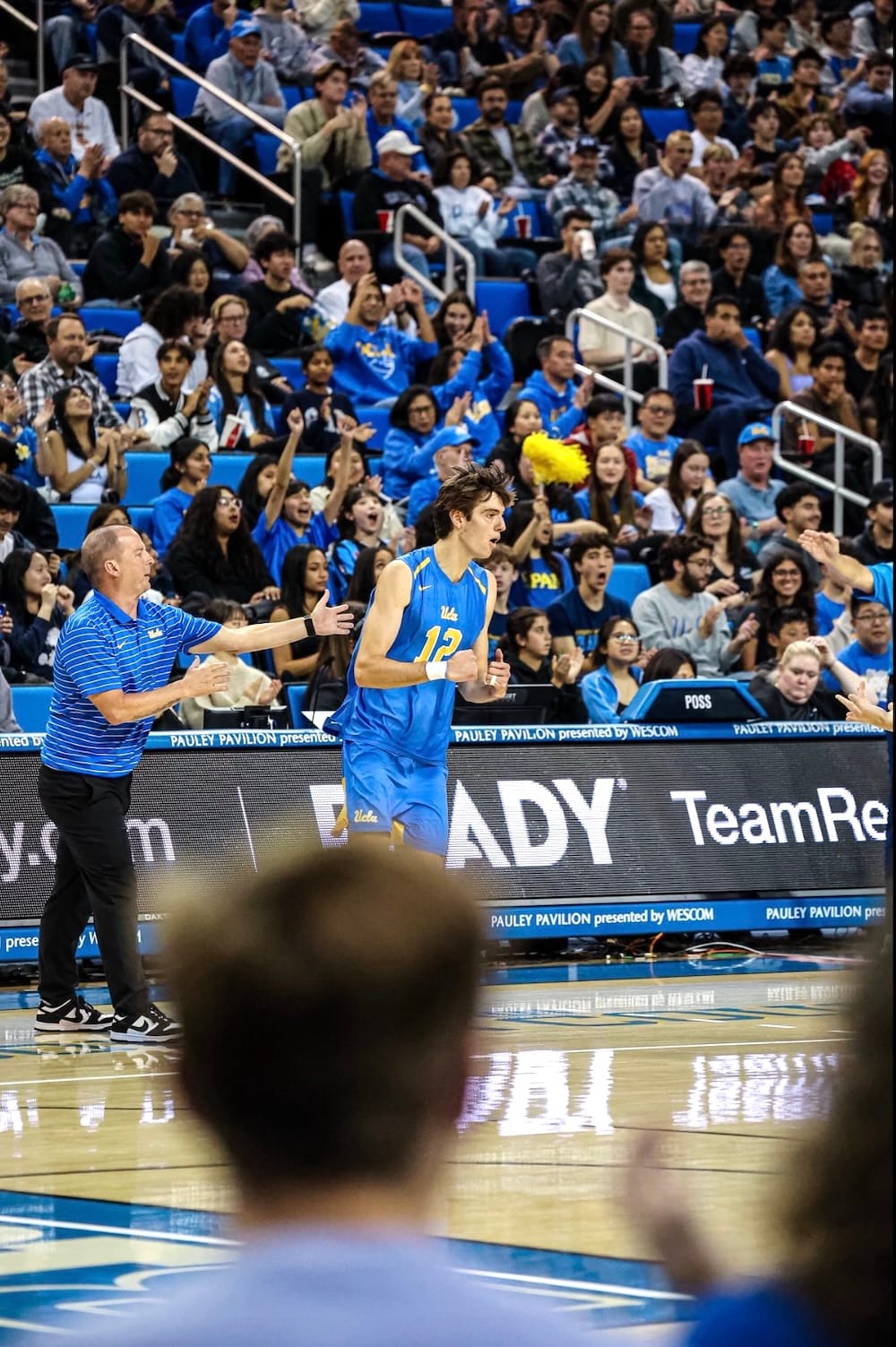
I also don't yell a lot. Honestly, I think that approach is a bit crazy. I'm dealing with mature, educated young men, and I'm going to treat them that way.
You can get your message across without that. There are times I'll be direct — "you need to be here, you need to do this" — but it doesn't have to come with a lot of noise.
And when I think about how I want my team to play, I want them composed and resilient under pressure. If I'm volatile on the sideline, they're going to mirror that.
So my goal as a coach is to model exactly what I want from them — coach the next play, stay forward-focused, and lead by example.