108. Practice videos: Francesco Petrella - Emma Villas Codyeco Lupi Siena
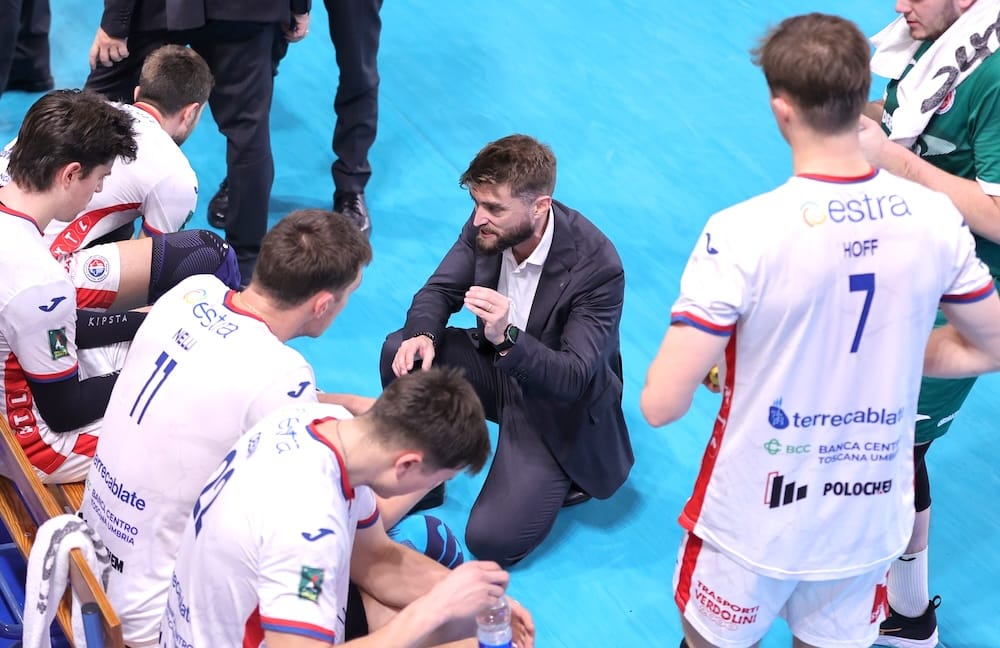
What is happening in the training gyms around the world? Today, we have Francesco Petrella reviewing one of his practice sessions.
🔍 Intro
We've already featured 25 practice video articles with pro and college coaches, and today it's time for our 26th Practice session article here on volleybrains.com.
At VolleyBrains, we bring you inside practice gyms worldwide to see how top coaches develop their teams.
👊 The coach who's guiding us today
In this practice video session, we’re guided by Francesco Petrella, an Italian head coach who is currently leading the Italian Serie A2 team of Emma Villas Codyeco Lupi Siena.
Coach Petrella’s path has been a fast climb through high-performance environments: after progressing through youth coaching, he stepped into the Italian Superlega in 2016 as an assistant coach at Modena, and in 2017 joined coach Angelo Lorenzetti at Trentino Volley initiating a long mentor-mentee stretch at the top level that helped shape his coaching identity.
In 2023–2024, Francesco took on his first head coach role with Italian top team Modena, and last season he brought that leadership to Poland, taking charge of PSG Stal Nysa in the PlusLiga.
Known for his focus on standards, clarity, and responsibility, Coach Petrella blends elite technical work with a strong culture-first approach.
Before you dive into the training, make sure you also revisit Francesco’s VolleyBrains Masterclass over here:
 VolleyBrains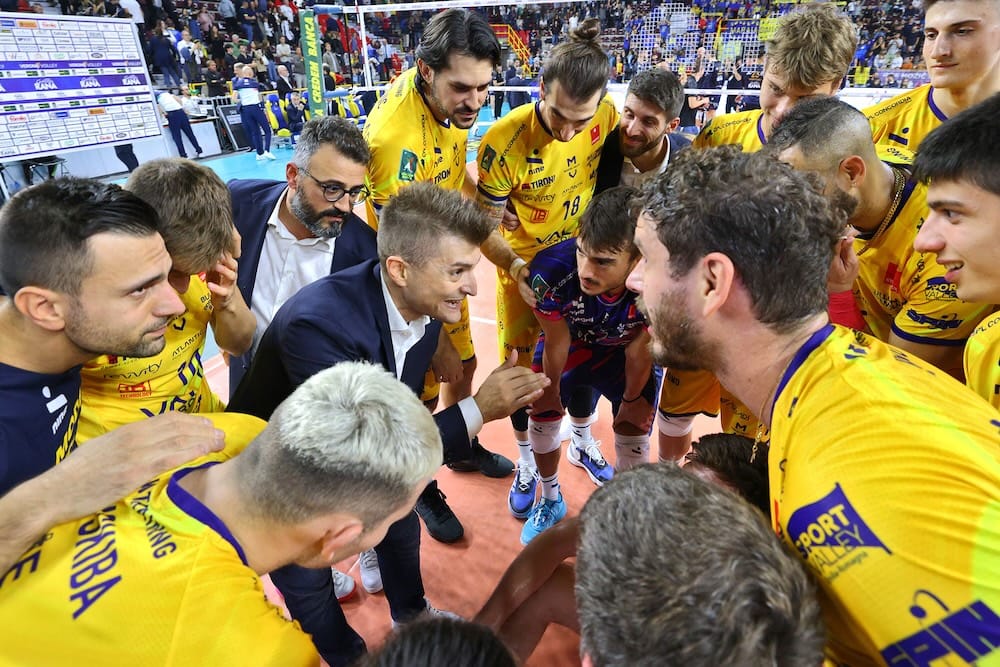
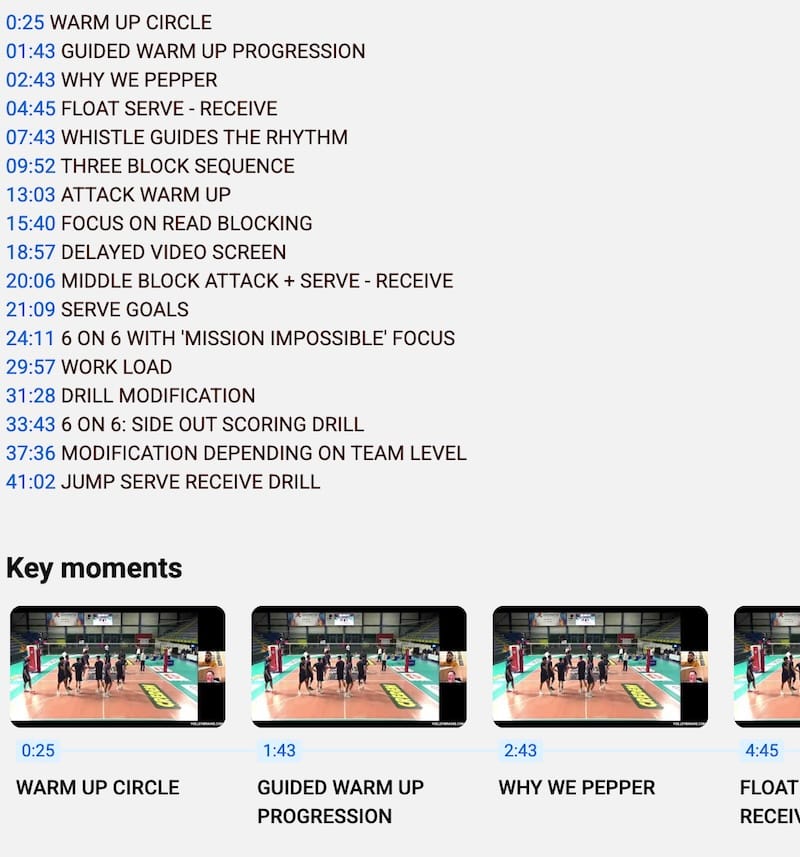
⚡ What's inside the practice videos?
From the outside, many of the exercises in this session will look familiar. What makes this practice even more worth studying is the reasoning behind them: Coach Petrella is consistently clear about why each segment matters for his team, and what outcome he’s trying to produce.
You’ll see how he tweaks the objective inside of each drill to create different results. By changing what is scored, what is constrained or what is emphasized, the same exercise can train different performance outcomes.
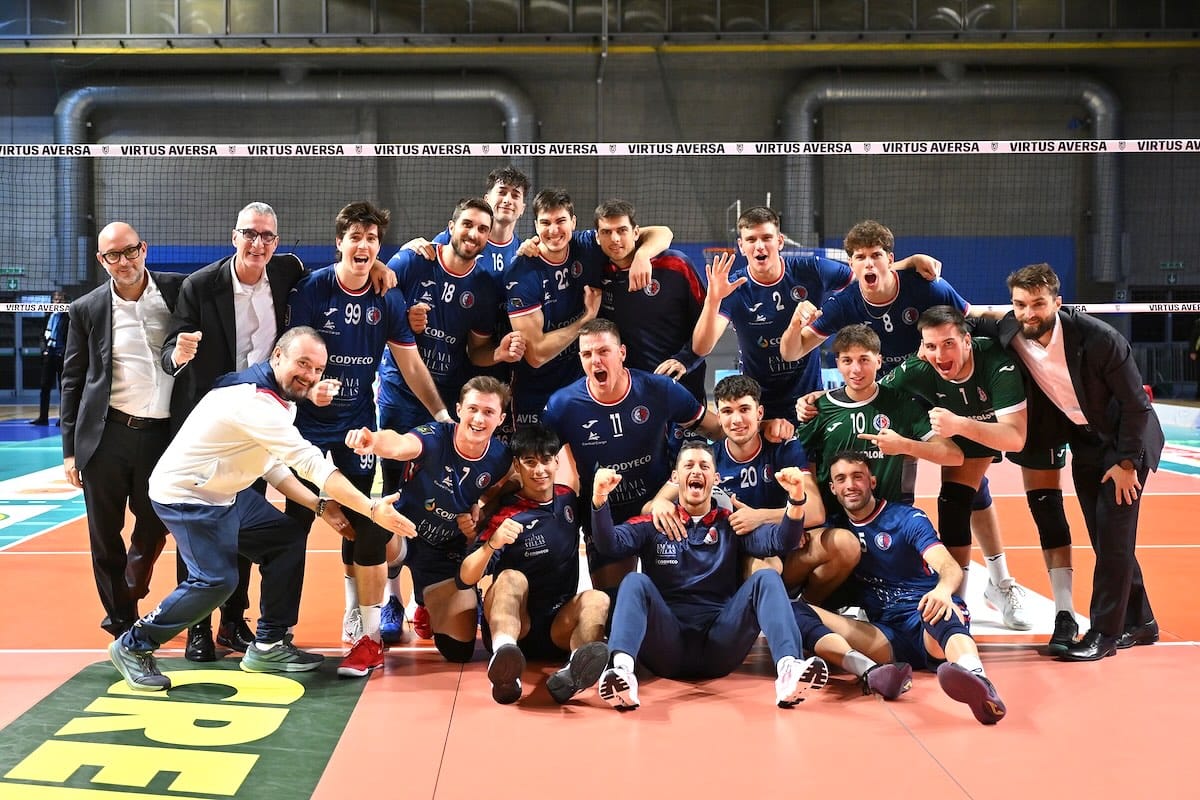
That approach becomes even more important because of the group he’s managing right now. His roster is a blend of:
- Experienced Serie A2 players, who need qualitative match preparation and workload management week to week.
- Younger developing players (competing at a lower level in parallel), who need more learning reps.
So this session is not just “a practice.” It’s a look at how a pro coach builds training that delivers performance now while still creating development over time.
Inside the session coach Petrella's big takeaways are:
- Daily float-serve receive work, built for the league
Early technical activation is centered around float/short serves, because it’s a major theme in their league. Short exposure beats occasional long sessions. - Out-of-system offense as a main theme
A 6v6 drill focused on high balls and “mission impossible” situations: Learning to execute when the system breaks. - Score design to control performance targets
He uses asymmetric scoring to measure outcomes. The score isn’t “just a game”, it’s a way to know if the team met the standard. - Resilience built into the scoring system
Lower the target slightly (e.g., 18 → 17) to push a “salvage the set” mindset instead of wasting the rest of practice. - Pressure passing finisher (match-realistic)
Ends with max-pressure spin serving: servers swing freely with no error limit to simulate end-of-set stress; if passers lose, they repeat—because break points only come from truly stressing side-out. - Overall efficiency: shorter blocks, higher focus
He avoids overly long serve-receive segments (boring + cool-down risk) and keeps practice structured, especially given a roster with both experienced and younger players.
VolleyBrain Members only sessions
48 minutes of narrated practice session